

Families in Swissvale, PA often use “memory care” and “assisted living” as though they mean the same thing. They overlap, but they are designed for different levels and types of support.
Assisted living generally serves adults who need help with daily activities but can still make many decisions and function safely with a moderate level of supervision. Memory care is a more specialized setting for people living with Alzheimer’s disease, dementia, or another condition that causes significant memory, judgment, orientation, or safety concerns.
The right choice depends less on a diagnosis alone and more on what the person can safely do, what support is needed throughout the day, and how those needs may change over time.
What is assisted living?
Assisted living provides housing, meals, personal care, supervision, and help with everyday tasks. Residents commonly receive support with:
- Bathing, dressing, grooming, and toileting
- Walking, transferring, or using mobility equipment
- Medication reminders or medication assistance
- Meals and hydration
- Laundry, housekeeping, and transportation arrangements
- Social activities and daily routines
Assisted living is often appropriate for someone who is no longer fully independent at home but does not require continuous skilled nursing care. A resident may still manage personal choices, participate in activities, communicate preferences, and move through the residence without extensive supervision.
In Pennsylvania, assisted living residences are licensed settings that may serve people with higher care needs than personal care homes while still supporting independence and decision-making. Services and resident capacity vary, so the label alone does not explain the actual level of care available. ([pa.gov](https://www.pa.gov/agencies/dhs/resources/aging-physical-disabilities/personal-care-homes?utm_source=openai))
What is memory care?
Memory care is assisted living or residential care adapted for people with cognitive impairment. It typically includes more structured routines, closer observation, environmental safety features, and staff training related to dementia.
Memory care may help residents who:
- Wander or attempt to leave unexpectedly
- Become confused about time, place, or familiar surroundings
- Need repeated reminders for meals, bathing, or medications
- Have difficulty recognizing hazards
- Experience agitation, anxiety, or behavior changes
- Need consistent supervision during most of the day
- Cannot reliably use a call system in an emergency
Memory care is not a single legal category in every state. In practice, it may be offered within an assisted living residence, personal care home, or a designated dementia care unit. Pennsylvania licensing materials recognize specialized dementia-related settings and services, but families still need to ask exactly how a residence is licensed and what dementia support it provides. ([pa.gov](https://www.pa.gov/agencies/dhs/resources/licensing/pch-alr-licensing/app-for-license?utm_source=openai))
How are the two settings different?
The clearest difference is the amount of cognitive supervision and safety support.
Assisted living is usually organized around helping with physical tasks while preserving a relatively independent lifestyle. Memory care places greater emphasis on preventing unsafe exits, reducing confusion, maintaining predictable routines, and responding to changes in behavior or communication.
| Area | Assisted living | Memory care |
|—|—|—|
| Main focus | Help with daily living | Cognitive support and safety |
| Routine | Flexible and resident-directed | More structured and predictable |
| Supervision | Periodic or scheduled | Often more frequent or continuous |
| Environment | May have open movement throughout the building | May include secured entrances or controlled access |
| Activities | Broad social and recreational programs | Dementia-informed activities suited to ability |
| Staff approach | Assistance with personal care and health routines | Assistance plus redirection, reassurance, and behavioral support |
| Typical concern | Difficulty managing safely at home | Confusion, wandering, or inability to recognize danger |
These descriptions are general. Some assisted living settings provide strong dementia support, while some memory care programs may not be equipped for advanced medical needs.
Does a dementia diagnosis automatically mean memory care?
No. A diagnosis by itself does not determine the appropriate setting.
A person in the early stages of dementia may live safely in assisted living if the residence can provide medication support, reminders, transportation, and enough oversight. Another person with a similar diagnosis may need memory care because of wandering, nighttime confusion, falls, unsafe cooking, or difficulty responding to emergencies.
The more useful questions are:
- Can the person find the bathroom, dining area, and bedroom?
- Can they explain what to do during a fire alarm or other emergency?
- Are medications taken correctly without repeated intervention?
- Has the person left home or become lost?
- Can they eat, drink, and maintain personal hygiene with reminders?
- Do changes in judgment create risks involving finances, traffic, or strangers?
- Is the current home environment becoming unsafe even with family support?
A formal assessment may be needed when the answer is unclear, especially after a hospitalization, repeated falls, a medication error, or a major change in behavior.
What should families ask about memory care?
A tour should examine more than the appearance of the building. Ask how care works during ordinary and difficult parts of the day.
Important questions include:
- Is the memory care area secured, and how are exits monitored?
- What happens if a resident tries to leave?
- How often are residents checked overnight?
- How are medications administered and documented?
- How are falls, refusal of care, aggression, or sudden confusion handled?
- Are staff trained specifically in dementia care?
- What activities are available for residents with different abilities?
- Can residents receive hospice, home health, or therapy services if needed?
- At what point would a resident need to move to a nursing facility?
- How are families notified about changes in condition?
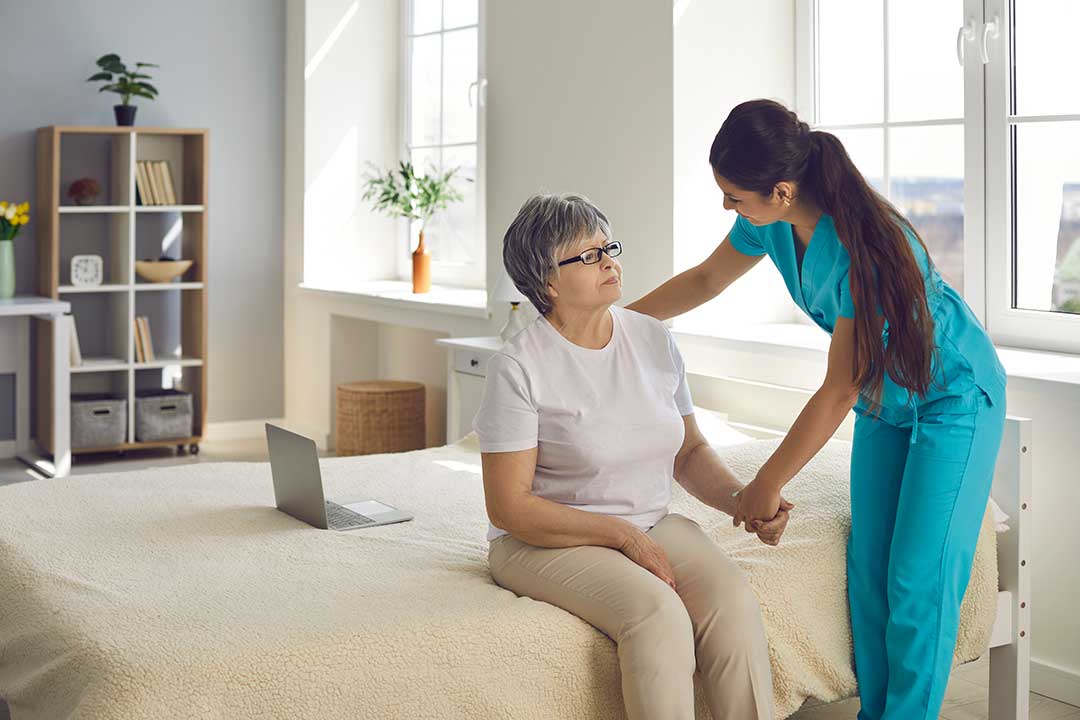
The phrase “memory care” does not guarantee a particular staffing level, building design, or clinical service. The details of the care plan matter more than the name used in an advertisement.
How does local living in Swissvale affect the decision?
Households in Swissvale may be balancing older housing, stairs, limited bathroom accessibility, narrow walkways, and seasonal hazards such as ice, snow, or early darkness. A person who managed well in summer may struggle more with winter clothing, slippery surfaces, reduced daylight, or transportation disruptions.
The local setting also matters for family involvement. Some relatives may live nearby and visit frequently, while others may depend on public transportation, shared rides, or scheduled visits. A residence that is easy for family members to reach can make it more realistic to attend care-plan meetings, observe changes, and maintain familiar relationships.
For someone still living at home, review practical risks rather than relying only on general independence. Consider stair use, kitchen safety, wandering routes, medication organization, bathroom access, and the ability to call for help during a power outage or severe weather.
Is assisted living or memory care more expensive?
Memory care often costs more because it may include additional supervision, secured space, dementia-specific programming, and higher staffing needs. However, prices vary substantially by location, room type, care level, medication needs, and services included.
Ask for a written explanation of:
- Base monthly charges
- Additional personal-care fees
- Medication management costs
- Memory care or secured-unit fees
- Transportation charges
- Therapy, nursing, or outside clinical services
- Move-in, community, or administrative fees
- Circumstances that could change the monthly cost
Pennsylvania’s Department of Human Services explains that personal care homes and assisted living residences generally do not receive standard third-party reimbursement in the same way nursing facilities may, although individual financial arrangements can differ. Families should review private funds, long-term care insurance, benefits, and eligibility rules before assuming a service will be covered. ([pa.gov](https://www.pa.gov/agencies/dhs/resources/aging-physical-disabilities/personal-care-homes/personal-care-home-faq?utm_source=openai))
When might nursing care be more appropriate?
Memory care and assisted living are not substitutes for skilled nursing when a person needs ongoing medical treatment or complex clinical monitoring.
A nursing facility may be considered when someone requires extensive wound care, frequent injections, ventilator support, complex medical observation, or a level of physical assistance that the residence cannot safely provide. A change from assisted living or memory care to nursing care is based on current needs, not simply the passage of time.
The most appropriate setting is the one that can safely meet the person’s needs today while explaining what changes would require a higher level of care. Clear information about supervision, staffing, emergency response, dementia support, and future transitions can help families make a decision that is practical rather than based on the name of a residence.
