
What does assisted living provide?
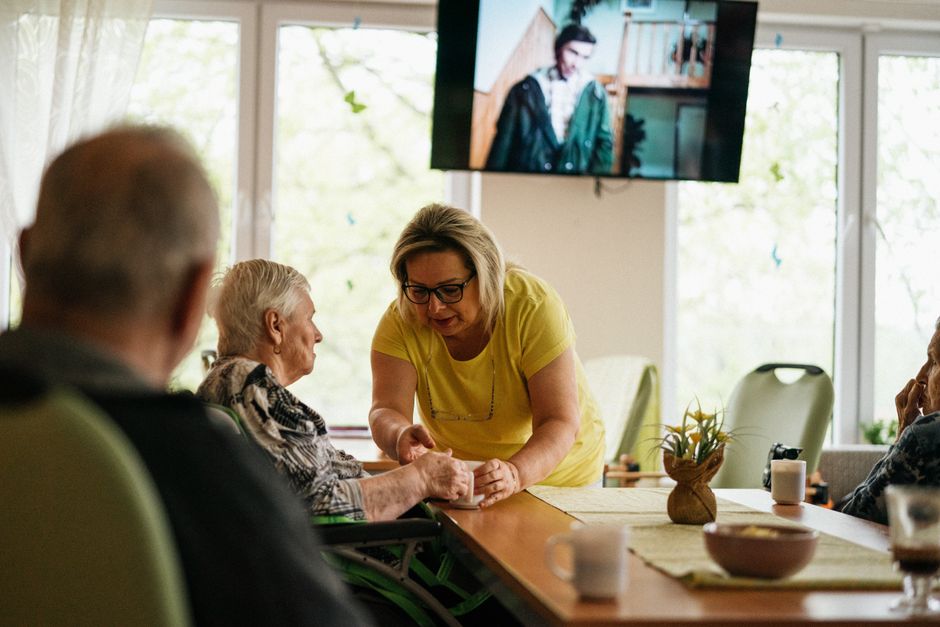
Assisted living provides housing, meals, personal support, safety measures, and social opportunities for older adults who can no longer manage every daily task alone but do not need continuous skilled nursing care.
For residents and families in Swissvale, assisted living may offer a middle option between living completely independently and moving to a nursing facility. The level of support can vary, but common services include help with bathing, dressing, grooming, toileting, walking, medication routines, meals, housekeeping, and laundry.
The goal is not to take away independence. A well-designed assisted living setting helps a person complete necessary activities with the least assistance reasonably needed.
How can assisted living improve daily safety?
A safer environment is one of the most common benefits. Falls, medication mistakes, missed meals, and difficulty responding to emergencies can become more likely when an older adult is living alone or managing a home that has become physically demanding.
Assisted living may reduce these risks through:
- Staff availability for routine assistance
- Emergency response systems
- Better lighting and fewer household obstacles
- Grab bars, accessible bathrooms, and safer walking routes
- Regular meals and hydration
- Support with medications according to the resident’s care plan
- Maintenance of common areas and living spaces
Safety is especially relevant during winter weather. Ice, snow, wet entryways, and reduced daylight can make outdoor movement more difficult for older adults. A setting with indoor walking space, maintained entrances, and help available during bad weather may reduce the need to handle those hazards alone.
Assisted living does not eliminate every risk. Families should still ask how falls are handled, how emergencies are communicated, and what happens if a resident’s needs change.
Can assisted living help someone remain independent?
Yes. Assisted living often supports independence by providing help with tasks that have become difficult while allowing residents to make decisions about their routines, clothing, meals, activities, and personal space.
For example, a resident may be able to dress independently but need help getting into the shower. Another person may walk safely but need reminders to take medication or attend meals. Support can sometimes be adjusted as abilities change.
Independence may also mean having fewer household responsibilities. Home repairs, snow removal, cooking, laundry, and cleaning can consume energy that an older adult would rather use for hobbies, family visits, reading, faith practices, or community activities.
A move does not automatically mean a loss of control. The quality of the experience depends partly on whether the residence respects preferences, privacy, schedules, and personal choices.
What are the social benefits?
Social connection is another significant benefit. Living alone can gradually reduce daily interaction, particularly after the loss of a spouse, a decline in driving, or changes in nearby family relationships.
Assisted living commonly creates regular opportunities for:
- Shared meals
- Exercise or movement programs
- Games, crafts, music, and educational activities
- Informal conversations in common areas
- Celebrations and seasonal events
- Visits with family members and friends
Regular contact can provide structure and reduce the isolation that sometimes accompanies aging at home. It may also make it easier for residents to notice changes in one another’s mood, appetite, mobility, or memory.
Social activities should not be treated as mandatory entertainment. Some people prefer quiet routines, small groups, or time alone. A suitable setting should offer choices rather than assume every resident enjoys the same activities.
How does assisted living support family caregivers?
Assisted living can reduce the pressure placed on family members who have been coordinating meals, transportation, medications, appointments, housekeeping, and personal care.
Family members may still remain closely involved. They can visit, participate in care planning, bring familiar belongings, and help communicate the resident’s preferences. The difference is that daily support is not dependent on one relative being available every morning, evening, weekend, or during an unexpected illness.
This can be particularly helpful when family members work, live in different areas, or are balancing care for more than one person. It may also reduce disagreements among relatives because responsibilities and care expectations are more clearly defined.
Family involvement remains important. Assisted living is not a substitute for communication, observation, or advocacy.
Is assisted living the same as a nursing home?
No. Assisted living is generally intended for people who need help with daily activities but do not require the intensive medical care provided in a nursing facility.
Pennsylvania distinguishes between personal care homes and assisted living residences, and both are subject to state licensing requirements. Those requirements address areas such as staffing, training, fire safety, food service, health-related support, resident rights, and the physical condition of the residence.
A nursing facility is designed for more complex or continuous medical and nursing needs. A person who requires extensive transfers, advanced wound care, frequent medical monitoring, or around-the-clock skilled nursing may need a different level of care.
Because needs can change, families should ask what assistance is available if mobility, memory, or health needs increase. A residence may have limits on the care it can safely provide.
What should families consider before making a decision?
The benefits of assisted living depend on the match between the resident’s needs and the setting’s actual capabilities. A thoughtful review should include more than appearance or activity calendars.
Important questions include:
- What personal care tasks can staff assist with?
- How are medications managed?
- Is help available overnight?
- What happens after a fall, hospitalization, or significant health change?
- Are care plans reviewed regularly?
- Can residents keep familiar furniture or personal belongings?
- How are meals adapted for dietary needs?
- What transportation options are available?
- Are outdoor areas and walking routes accessible?
- How are families notified about changes in condition?
- Which costs are included, and which services cost extra?
It is also useful to observe how staff speak with residents. Respectful communication, patience, privacy, and responsiveness often reveal more than polished furnishings.
When might assisted living be a reasonable option?
Assisted living may be worth considering when an older adult is having repeated trouble with bathing, dressing, meals, medications, housekeeping, or safe mobility. It may also be appropriate when loneliness, caregiver strain, or home maintenance problems are affecting quality of life.
A single challenge does not automatically require a move. Some people can remain safely at home with family support, home-based services, accessibility improvements, or changes to daily routines. Others may benefit from moving before a crisis occurs, allowing time to participate in the decision and adjust gradually.
The most useful question is not simply whether a person needs “more help.” It is whether the current living arrangement remains safe, manageable, and consistent with the person’s wishes. Assisted living can provide a practical balance of support, privacy, routine, and community when that balance is no longer possible at home.
