
Why social connection matters in assisted living
Assisted living can enhance social connection by making everyday interaction easier, more predictable, and more accessible. Residents often have regular opportunities to talk with peers, participate in shared activities, eat with others, and maintain relationships with family members.
Social connection is more than having a full calendar. It can include a familiar greeting in the hallway, a shared cup of coffee, a conversation during a meal, or knowing that someone will notice if a resident does not appear at a usual activity. These repeated interactions can help reduce loneliness and create a stronger sense of belonging.
For older adults in Swissvale, PA, assisted living may also provide a practical response to challenges such as living alone, reduced mobility, limited transportation, or difficulty maintaining a home. A setting with shared spaces and organized routines can make social participation less dependent on weather, driving, or physical stamina.
How does assisted living create daily opportunities to socialize?
Assisted living communities are generally designed around shared routines. Dining rooms, lounges, activity areas, outdoor spaces, and common corridors give residents places to encounter one another naturally.
A resident does not always need to sign up for a formal event to have social contact. Everyday opportunities may include:
- Eating breakfast or dinner at a shared table
- Talking with neighbors in a lounge or sitting area
- Joining a group exercise session
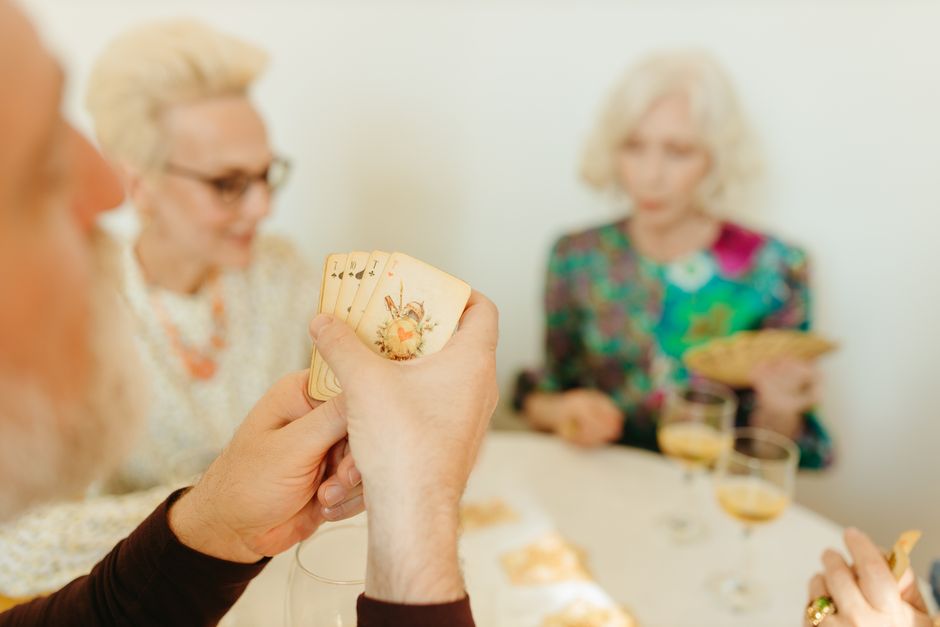
- Playing cards, doing puzzles, or participating in crafts
- Attending a discussion, music program, or educational activity
- Spending time outdoors with other residents during comfortable weather
- Greeting staff members who are familiar with daily routines
This regular contact can be especially helpful for people who previously spent much of the day at home by themselves. Social interaction becomes part of the normal rhythm of the day rather than an occasional event that requires extensive planning.
Can assisted living help residents who are shy or hesitant?
Yes. Assisted living can support quieter residents, but social participation usually develops gradually. A person who is hesitant may not feel comfortable entering a large group immediately. Smaller, familiar activities may be a better starting point.
A resident might first sit near an activity without joining, speak with one neighbor during a meal, or attend a short gathering rather than a longer program. Over time, recognizing the same people and seeing familiar staff can make participation feel less intimidating.
Activities should not be treated as mandatory proof of adjustment. Some residents prefer one-to-one conversation, quiet hobbies, or small groups. Meaningful connection depends on personal preference, cultural background, communication style, hearing ability, and energy level.
A useful assisted living environment offers different types of interaction, including:
- Quiet spaces for conversation
- Small-group activities
- Larger social events
- Opportunities for residents to help or contribute
- Time for private visits with family
- Flexible participation for people who need rest
What role do shared meals play?
Shared meals are one of the most consistent social opportunities in assisted living. Because meals occur several times each day, they can provide dependable contact even when a resident does not attend scheduled activities.
Dining together may help residents build familiarity. Repeated seating arrangements, conversation with nearby residents, and shared preferences can lead to friendships. A person who is new to the community may find it easier to begin talking when there is a natural subject, such as the meal, the weather, or a familiar routine.
However, dining should remain comfortable and respectful. Some residents may need assistance with eating, modified meals, extra time, or a quieter setting. Social connection is more likely when physical needs are addressed without embarrassment or unnecessary attention.
Family members can also support connection by visiting during a meal when permitted. A shared meal may feel more natural than a formal visit and can help relatives observe how a resident is participating in daily life.
How do activities support friendships?
Activities can give residents a reason to gather and a common subject to discuss. This is particularly useful when people are still getting acquainted or have different interests.
Programs may include movement classes, art, gardening, games, reading groups, music, seasonal celebrations, educational talks, or practical projects. The value is not limited to entertainment. Activities can encourage cooperation, memory-sharing, humor, and a sense of accomplishment.
Residents may also form connections through roles rather than attendance alone. Someone might help arrange materials, suggest a favorite song, teach a game, share a family recipe, or contribute knowledge from a former career or hobby. These roles reinforce identity and allow residents to be seen as capable individuals with experiences to offer.
Seasonal conditions can affect participation in any Pennsylvania community. During cold, wet, or icy periods, indoor activities and accessible common areas may become especially important. In warmer months, safe outdoor seating can offer another setting for conversation without requiring a long trip away from the residence.
How can assisted living help residents stay connected with family?
Assisted living does not replace family relationships. It can provide structure that makes those relationships easier to maintain.
Family connection may include in-person visits, phone calls, video conversations, shared celebrations, letters, photographs, or participation in community events. Staff assistance may sometimes be needed for arranging a call, helping a resident use communication technology, or supporting a visit when mobility or health concerns are present.
A resident’s social network may also include former neighbors, faith communities, longtime friends, and relatives who live farther away. Preserving familiar routines and making communication accessible can help prevent a move from becoming an unwanted break from the person’s previous life.
Family members should ask residents what type of contact feels enjoyable rather than assuming that frequent large gatherings are best. Some people prefer short visits, while others enjoy regular phone conversations or quiet time with one visitor.
What if a resident still seems lonely?
Loneliness can occur even in a setting with many people. A resident may be surrounded by others but still feel disconnected because of grief, hearing loss, depression, memory changes, pain, fatigue, language differences, or difficulty entering established social groups.
Warning signs may include withdrawing from meals, losing interest in familiar activities, spending unusually long periods alone, expressing sadness, or saying that nobody understands them. These changes deserve attention, especially if they persist.
Helpful steps may include:
- Asking what type of interaction the resident actually wants
- Identifying one compatible neighbor rather than focusing on large groups
- Choosing activities connected to past interests
- Checking hearing aids, glasses, mobility supports, or communication needs
- Creating a predictable visit or call schedule
- Sharing concerns with appropriate care staff when mood or behavior changes
Persistent sadness, hopelessness, or major changes in behavior may require medical attention. Social isolation and depression can overlap, but they are not the same problem and should not be addressed only through activities.
How should families evaluate social opportunities?
Families can learn a great deal by observing ordinary routines rather than only attending a formal tour. Questions may include:
- Where do residents usually gather during the day?
- Are there options for both active and quiet participation?
- How are new residents introduced to others?
- Can residents influence the activity calendar?
- Are meals flexible enough for different needs and preferences?
- How are residents supported if they have hearing, vision, memory, or mobility limitations?
- Are family visits and private conversations accommodated?
- What happens when a resident stops attending activities?
The goal is not to find a schedule packed with events. A socially supportive environment is one where residents can form genuine relationships, maintain personal routines, and participate at a level that feels comfortable.
For many local households, the most meaningful benefit may be simple consistency: familiar faces, shared meals, accessible gathering spaces, and regular chances to be included. Those conditions can help assisted living feel less like a change in residence and more like a community where relationships remain part of everyday life.
